Causal Inference in Education Research
An Opinionated and Incomplete Narrative
I have taught or studied empirical methods, education policy, and economics of education since 1994. A lot has changed. Read along here if you like, or else Jump straight to my syllabi.
The methods course
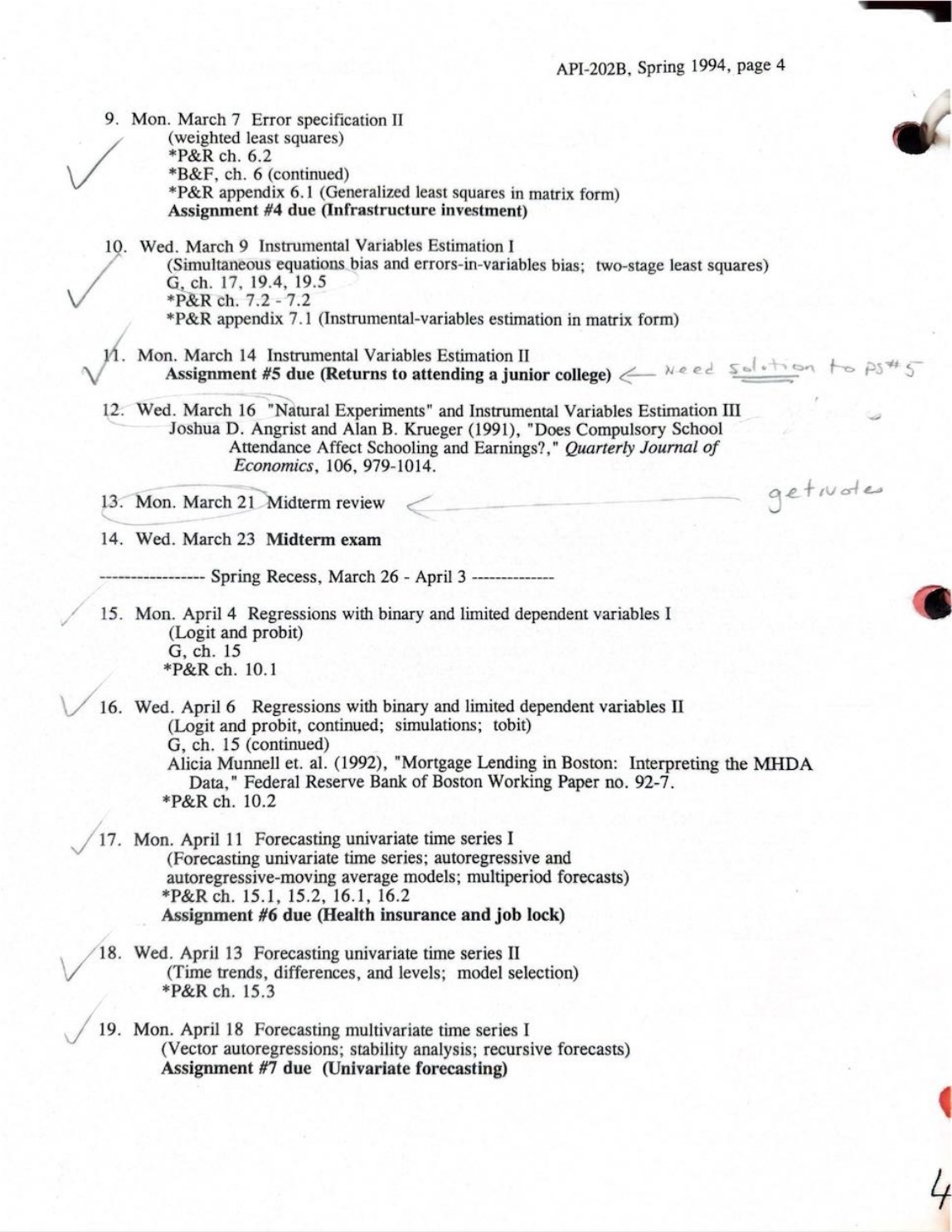
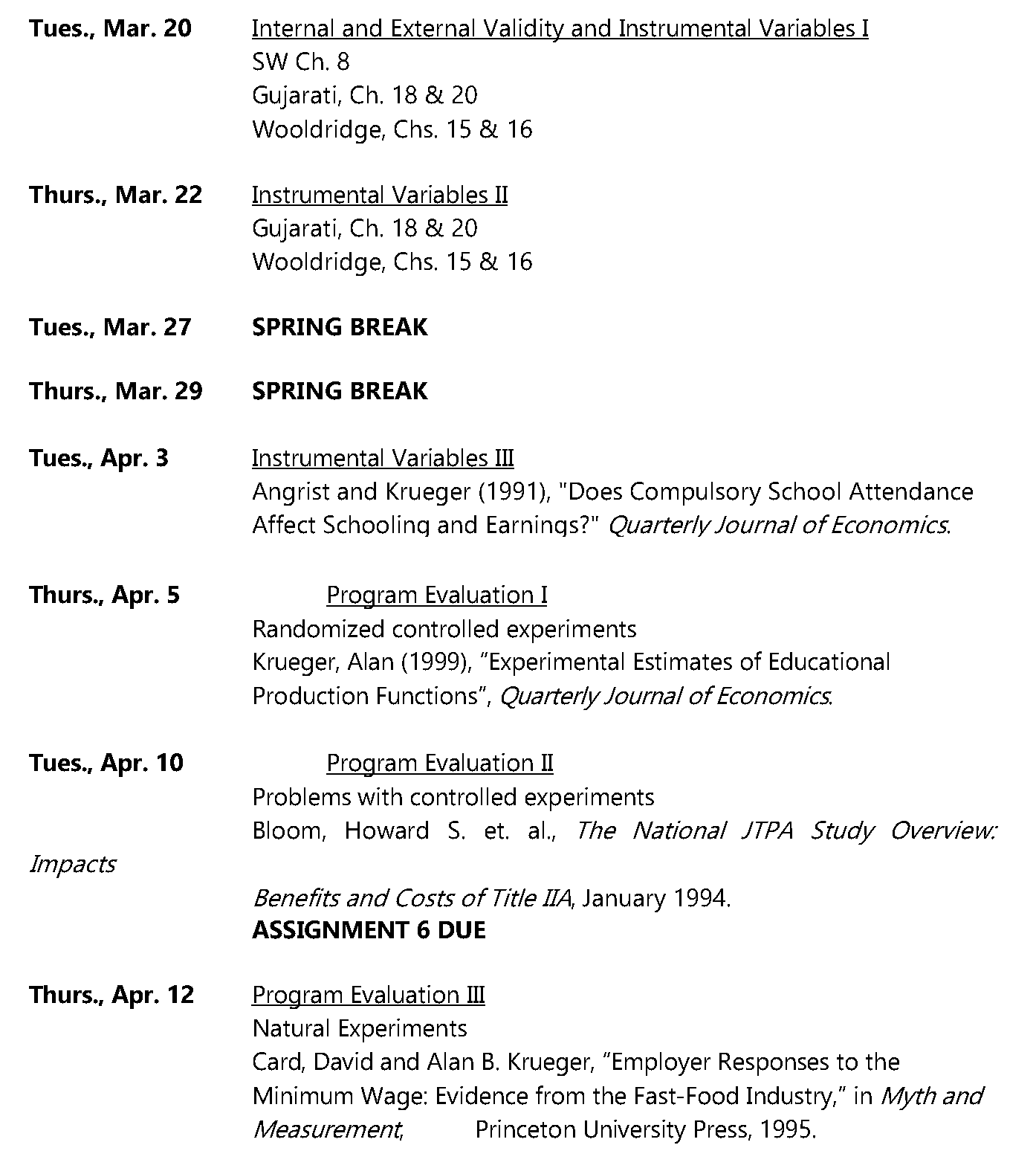
That problem set was the first assignment in API 202: Empirical Analysis for Policy, taught by Jim Stock at the Kennedy School. I was a first-year in the MPP program. We used SST for data analysis. The textbook was Gujarati's Basic Econometrics. The course ran from regression through instrumental variables to one session on natural experiments (Angrist and Krueger, Quarter of Birth), then binary models and a month of forecasting.
I took my first research job in the summer of 1994 with Tom Kane, who had just finished his PhD at the Kennedy School. David Autor, now at MIT, was another research assistant that summer, and we sat together in a tiny, windowless, restricted-data closet.
I came back to the Kennedy School as faculty in 1999, and Alberto Abadie and I joined the teaching staff for API 202. Carrie Conaway was my teaching fellow. The course evolved, with program evaluation edging in and then moving to the center. No more time series.
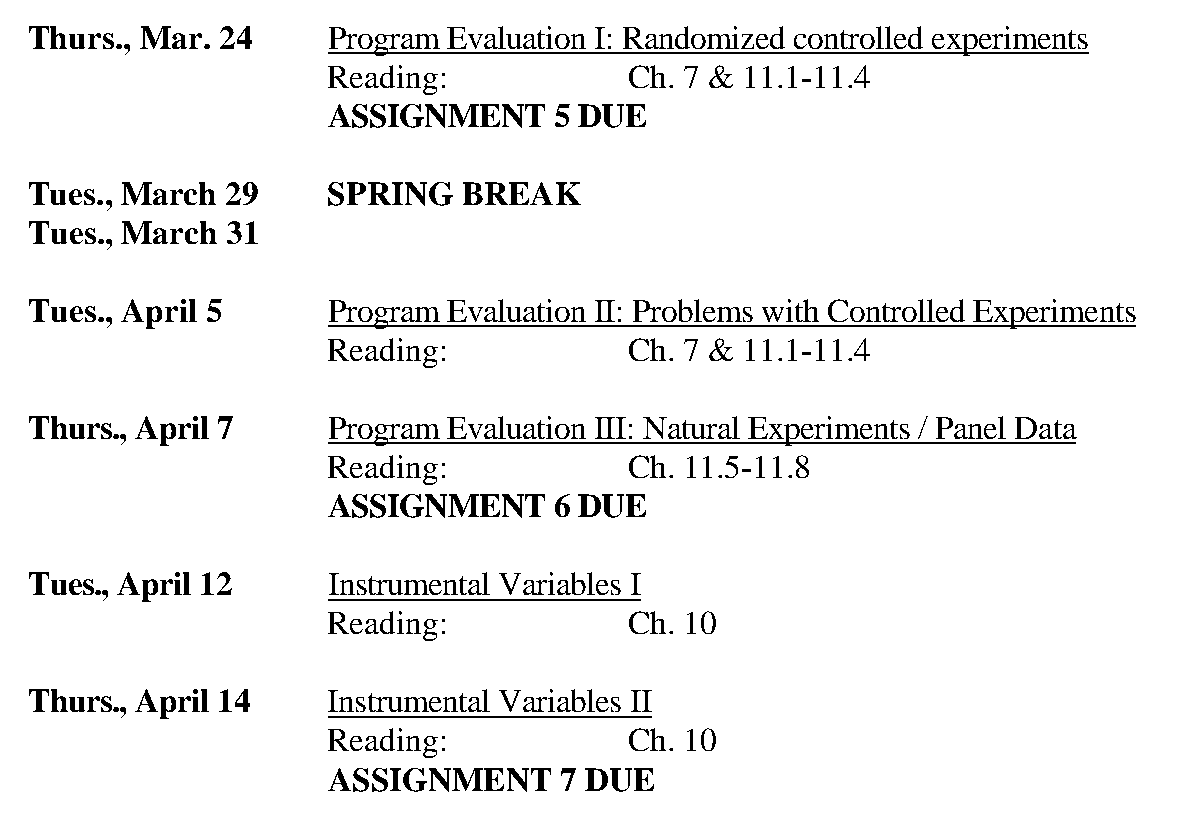
At Michigan I taught methods to MPPs as PUBPOL 639. It opened with causal inference and randomized trials and closed with differences in differences, instrumental variables, and regression discontinuity. It ran on Angrist and Pischke.
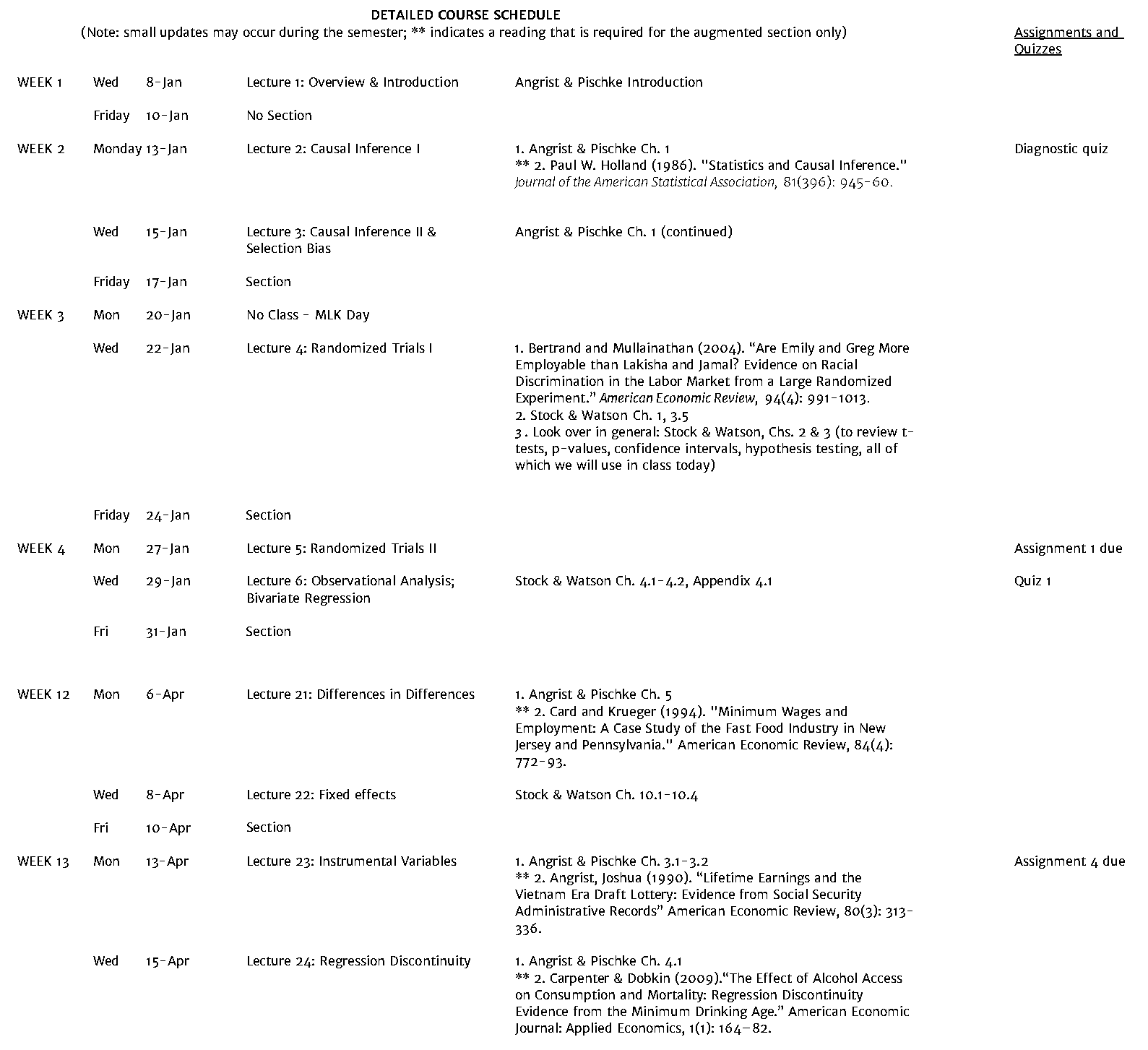
Two syllabi, twenty-five years apart
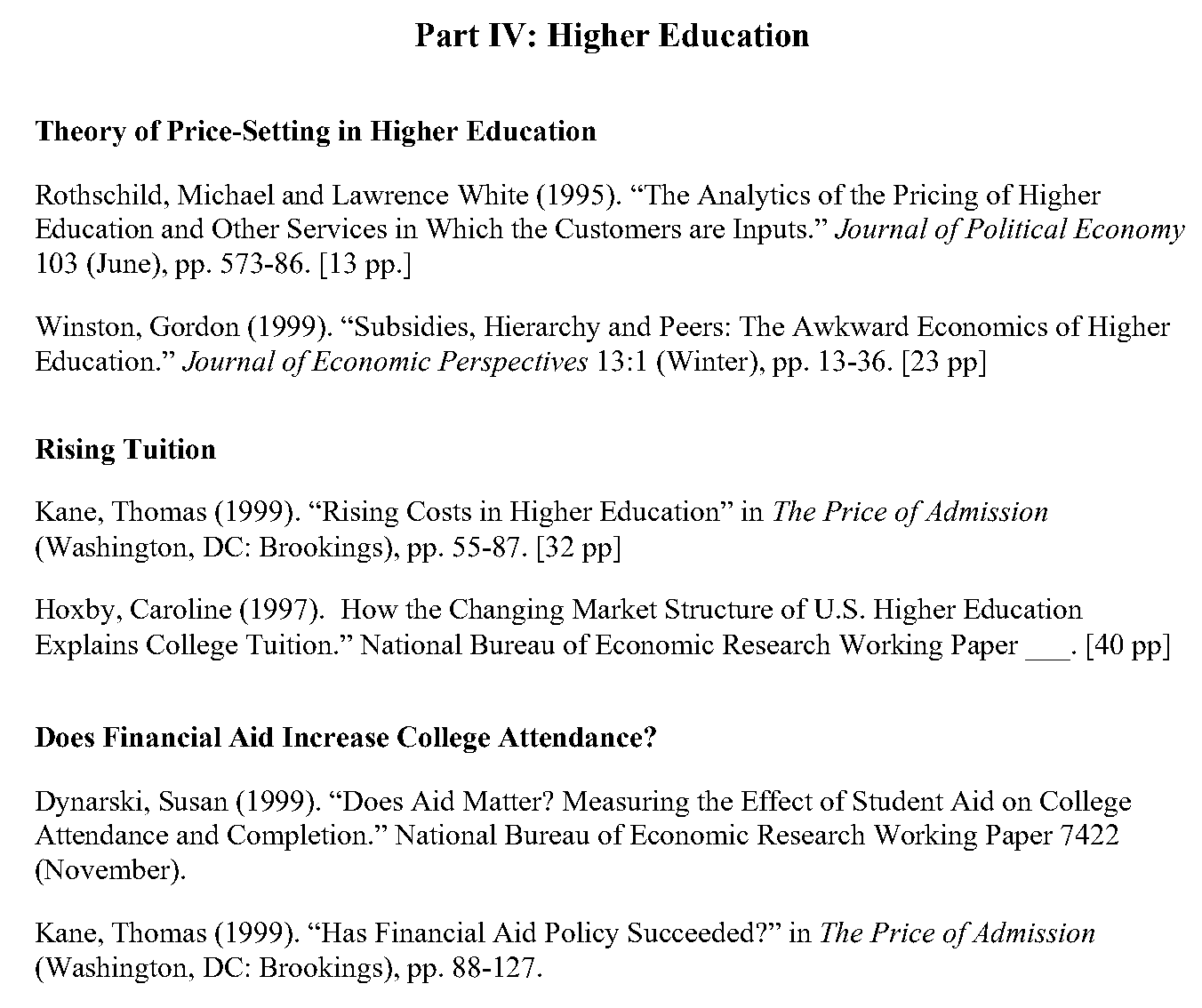
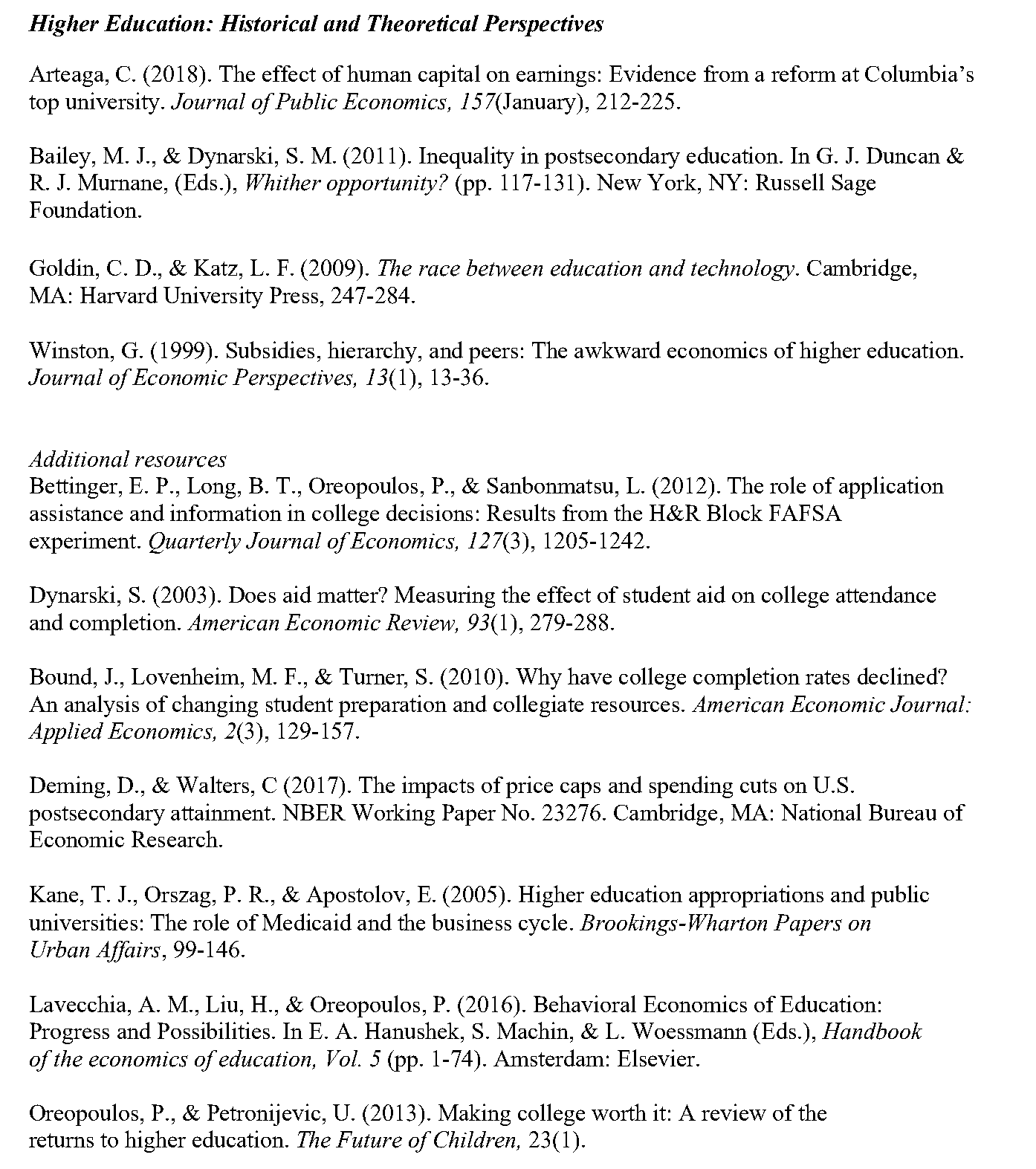
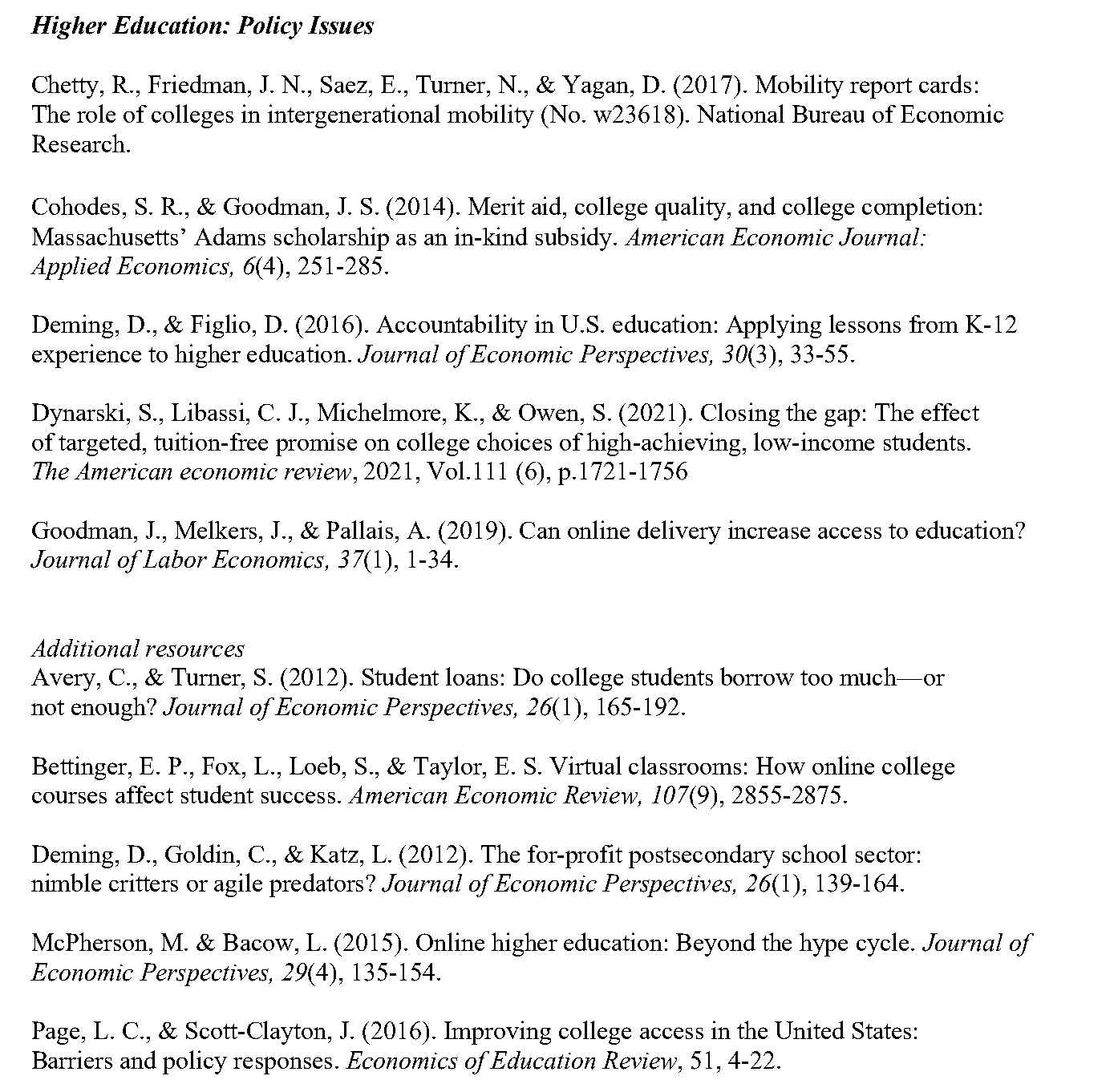
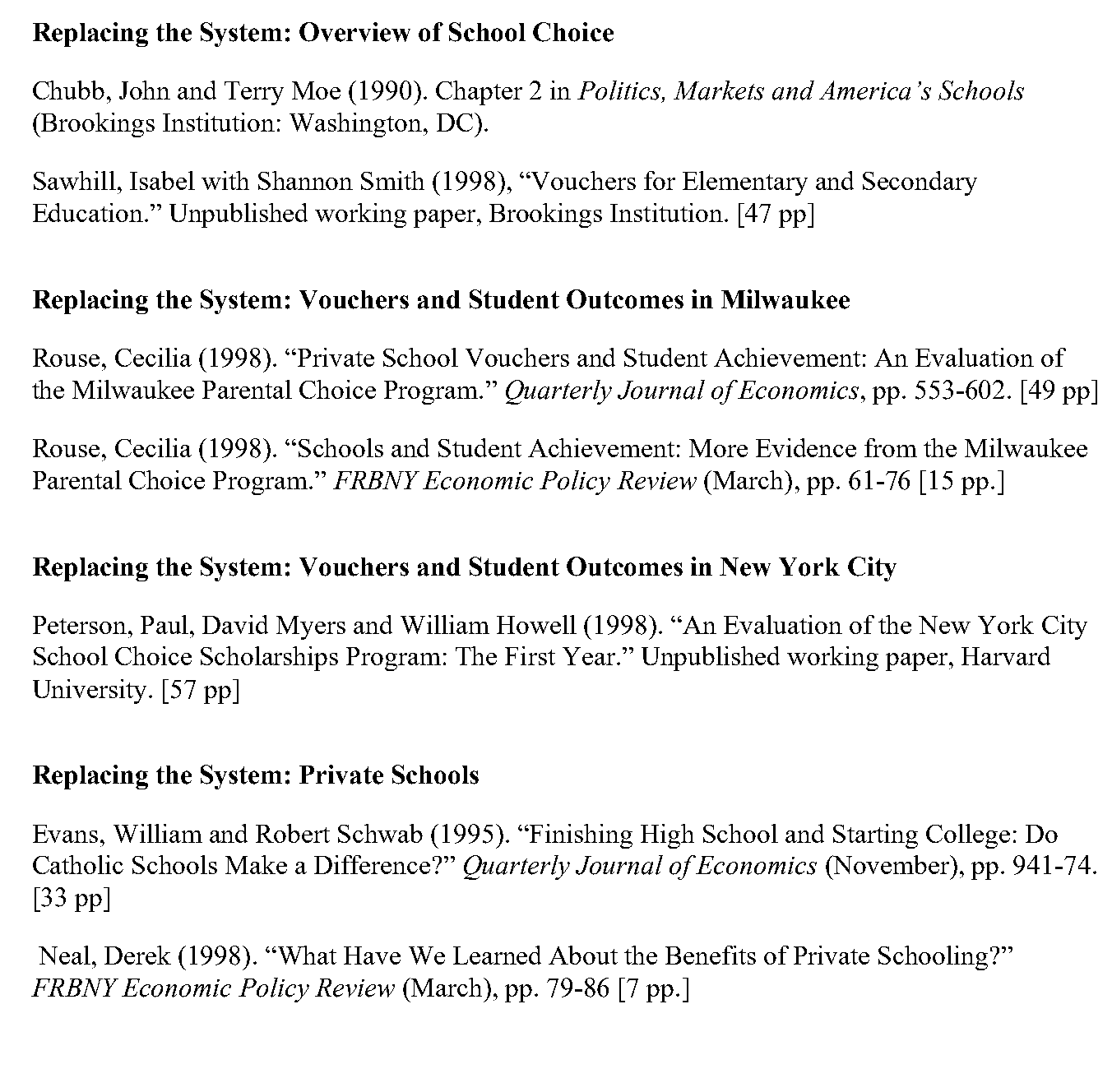
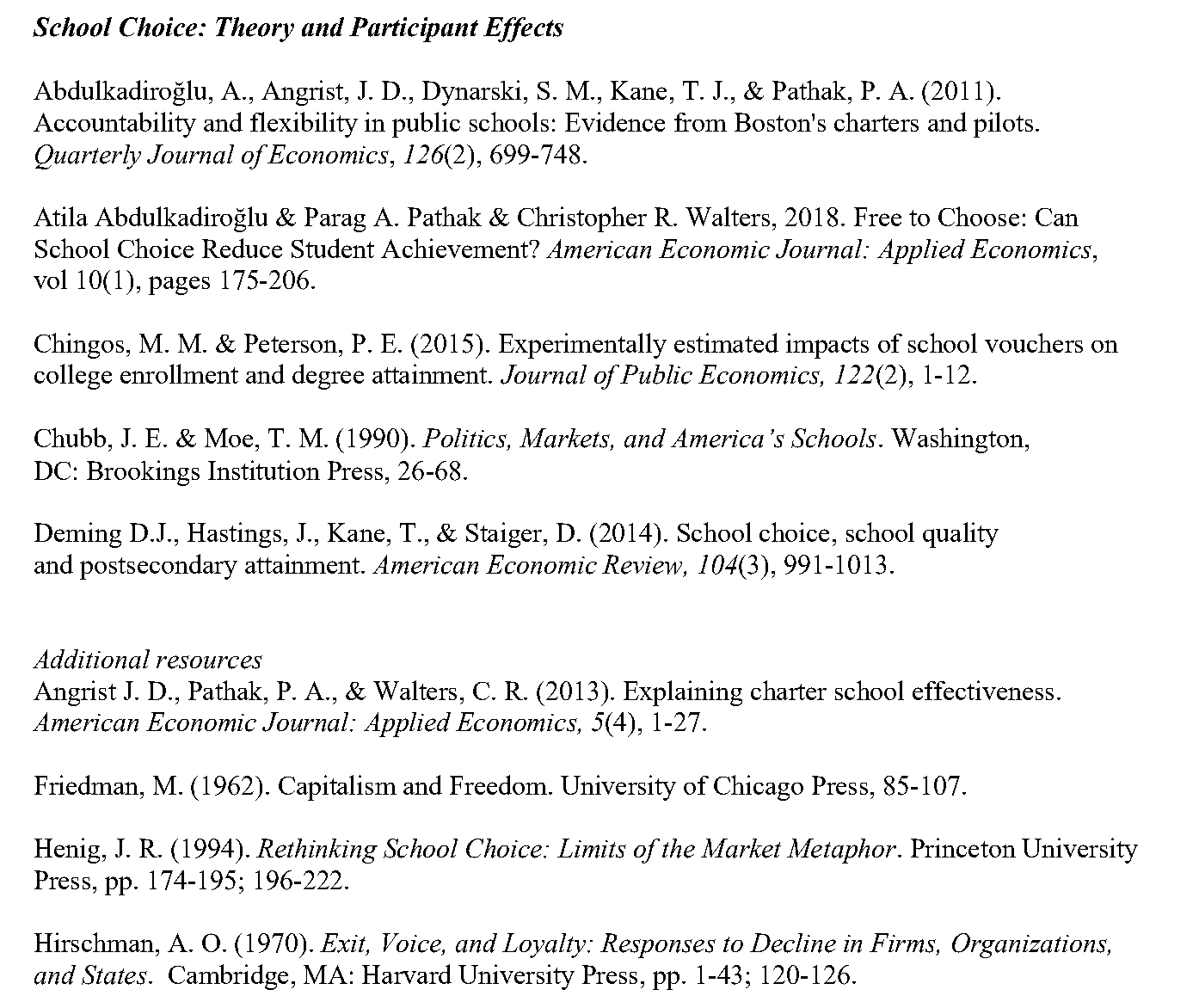
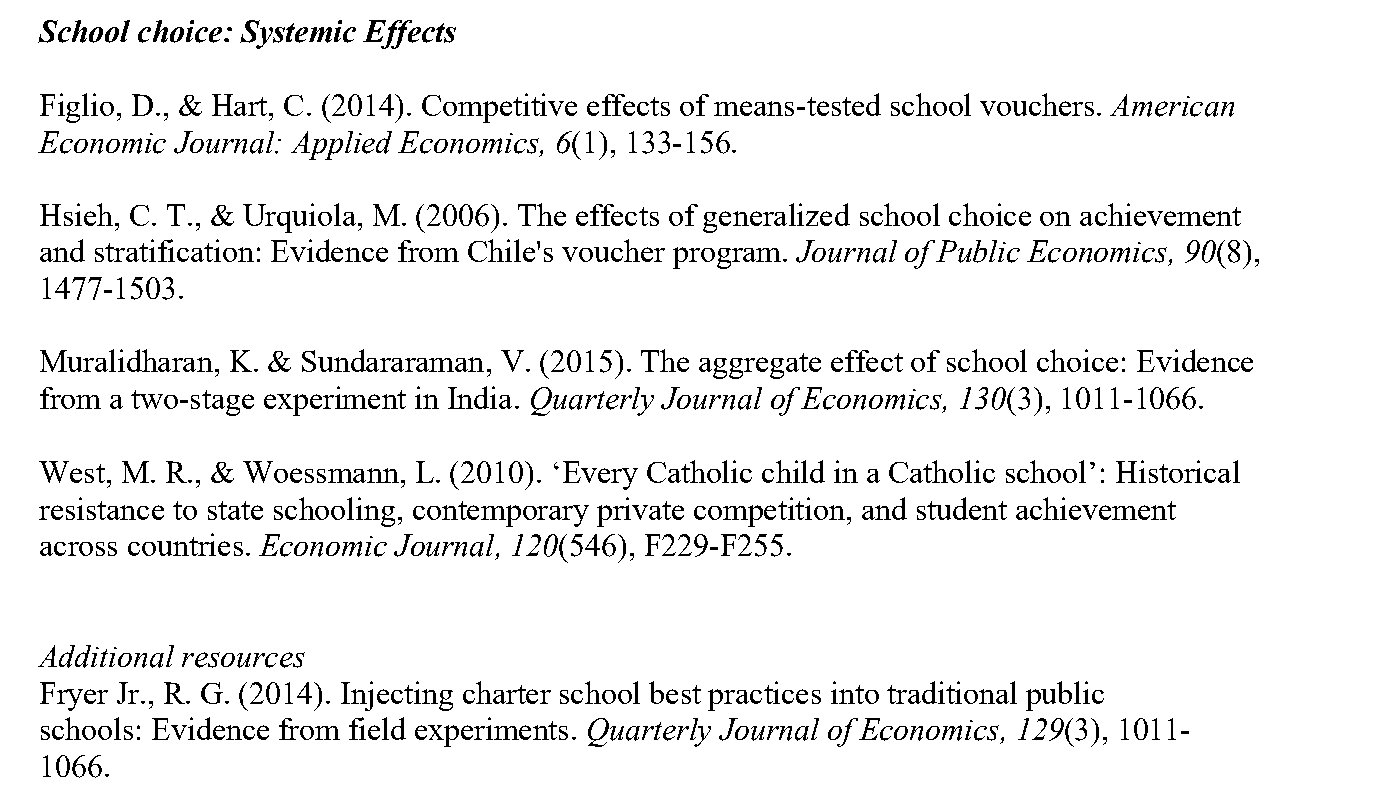
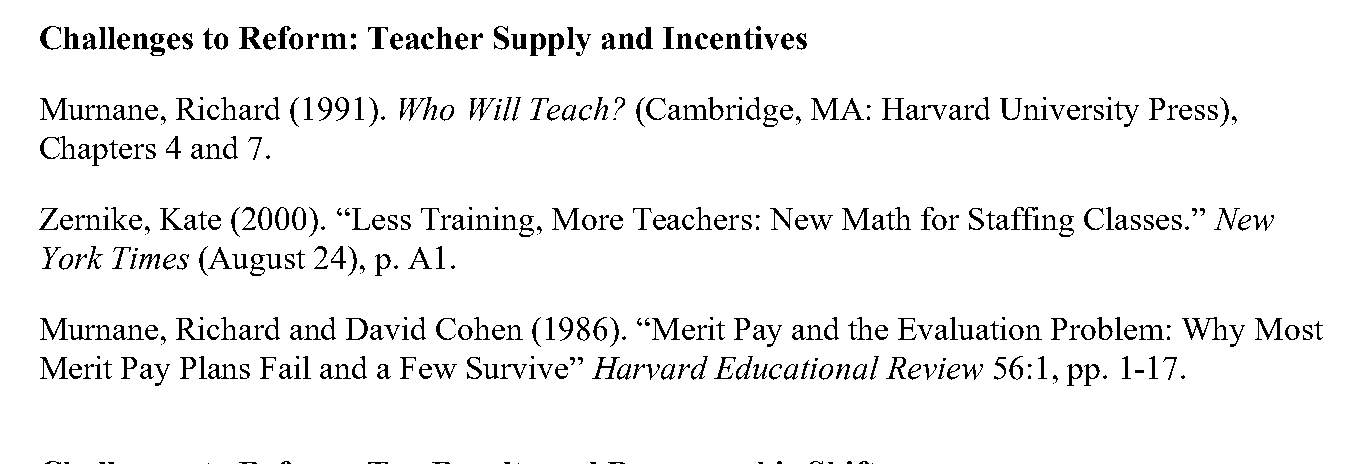
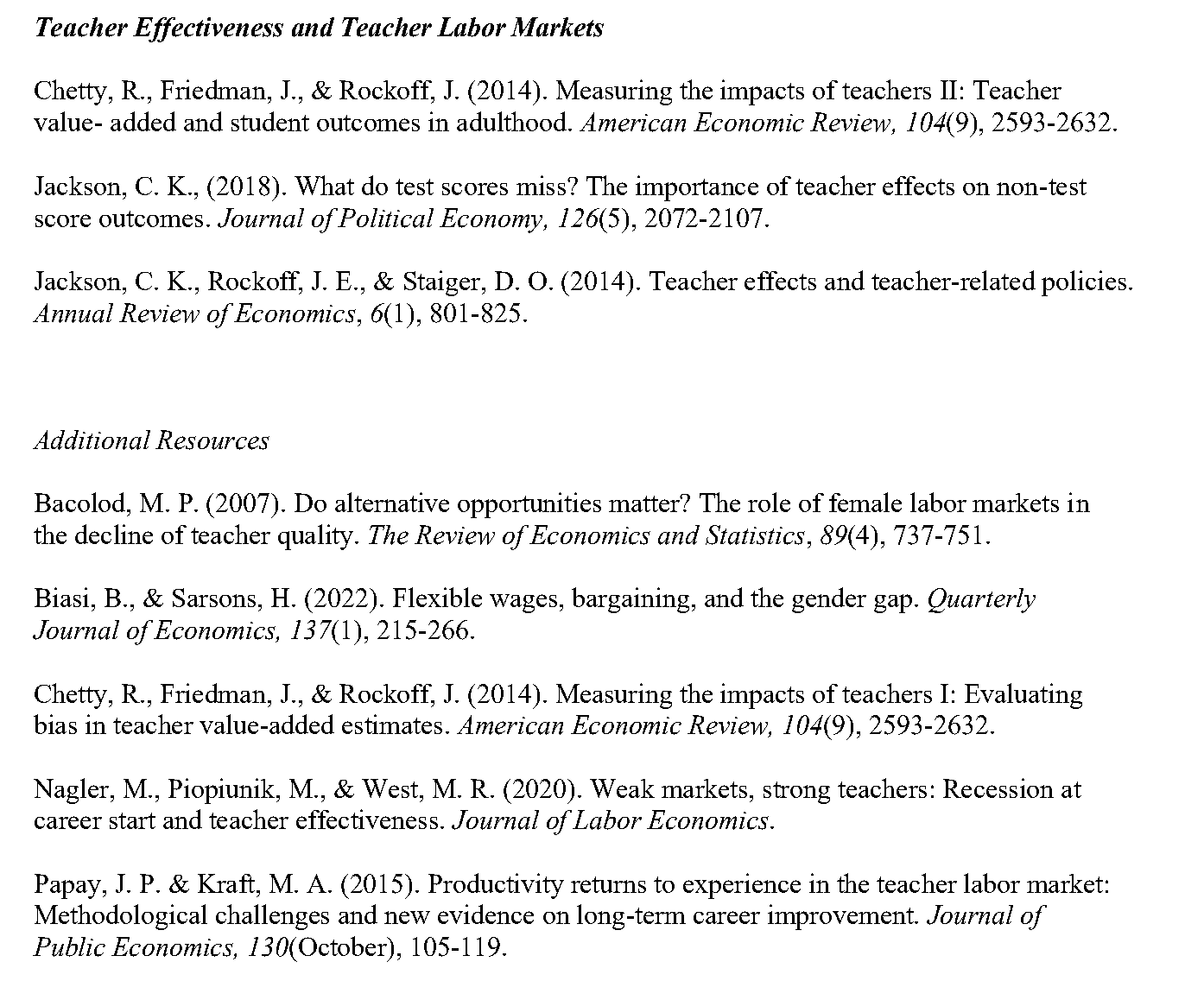
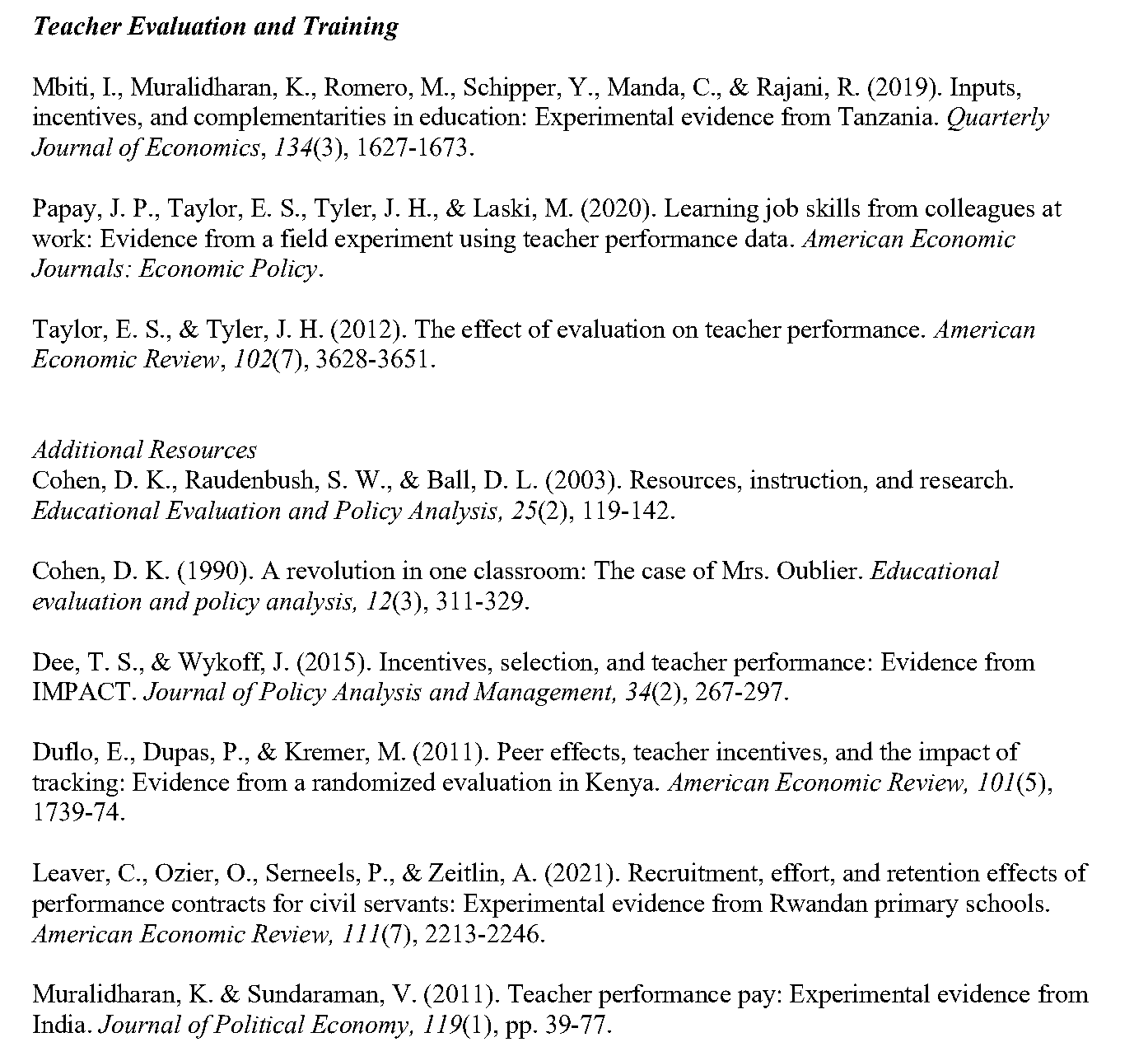
I first taught economics of education to master's students at the Kennedy School in Fall 2000. Now I teach an education policy seminar to doctoral students at Harvard. In between, the number of researchers applying causal methods to education grew exponentially. Compare the breadth of research in each syllabus.
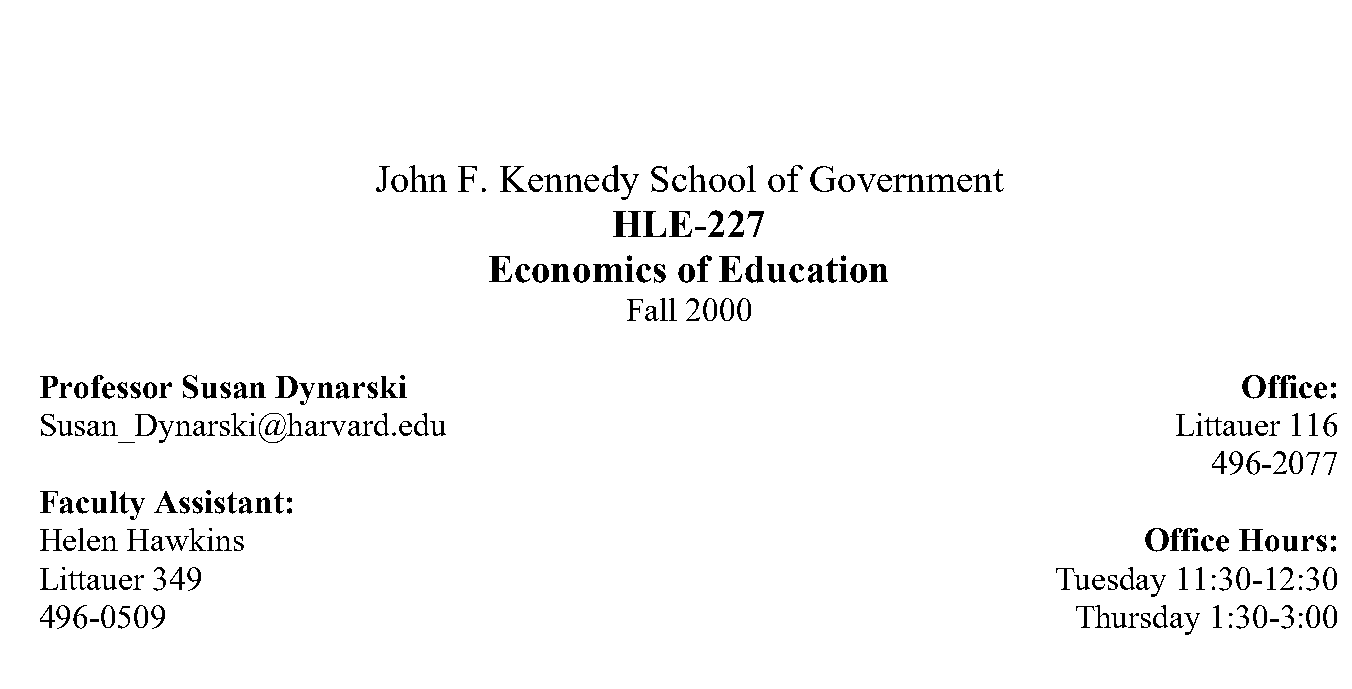
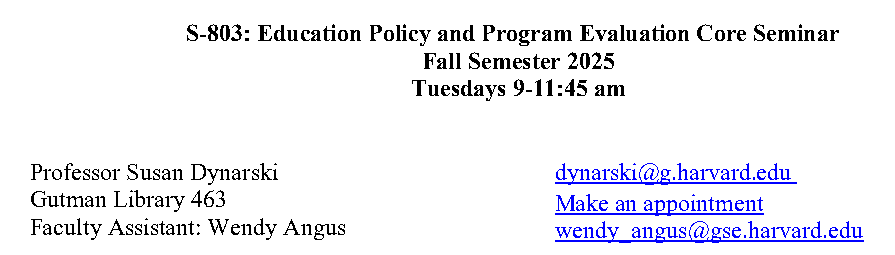
Higher education
School choice
Teachers
Drivers of the credibility revolution in education
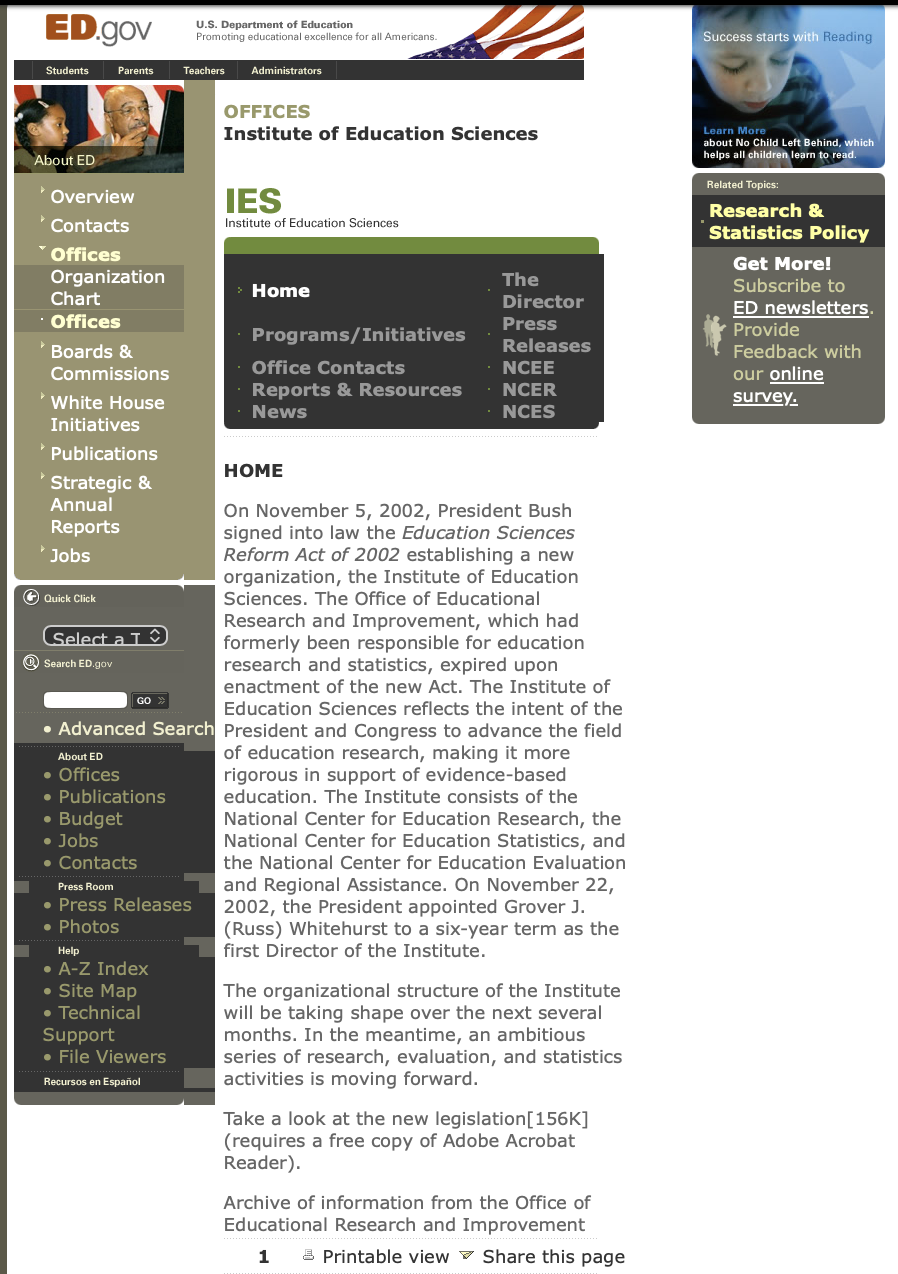
Two institutions helped to foster this growth and evolution: IES and NBER.
The Institute of Education Sciences, the research arm of the Department of Education, spent two decades funding the studies, setting the standards, and training the people who made education research a field built on causal evidence. I founded one of its doctoral training programs at Michigan, which Christina Weiland runs now, and I teach in the Harvard counterpart, PIER, which Tom Kane directs now. IES is effectively gone now, a victim of DOGE.
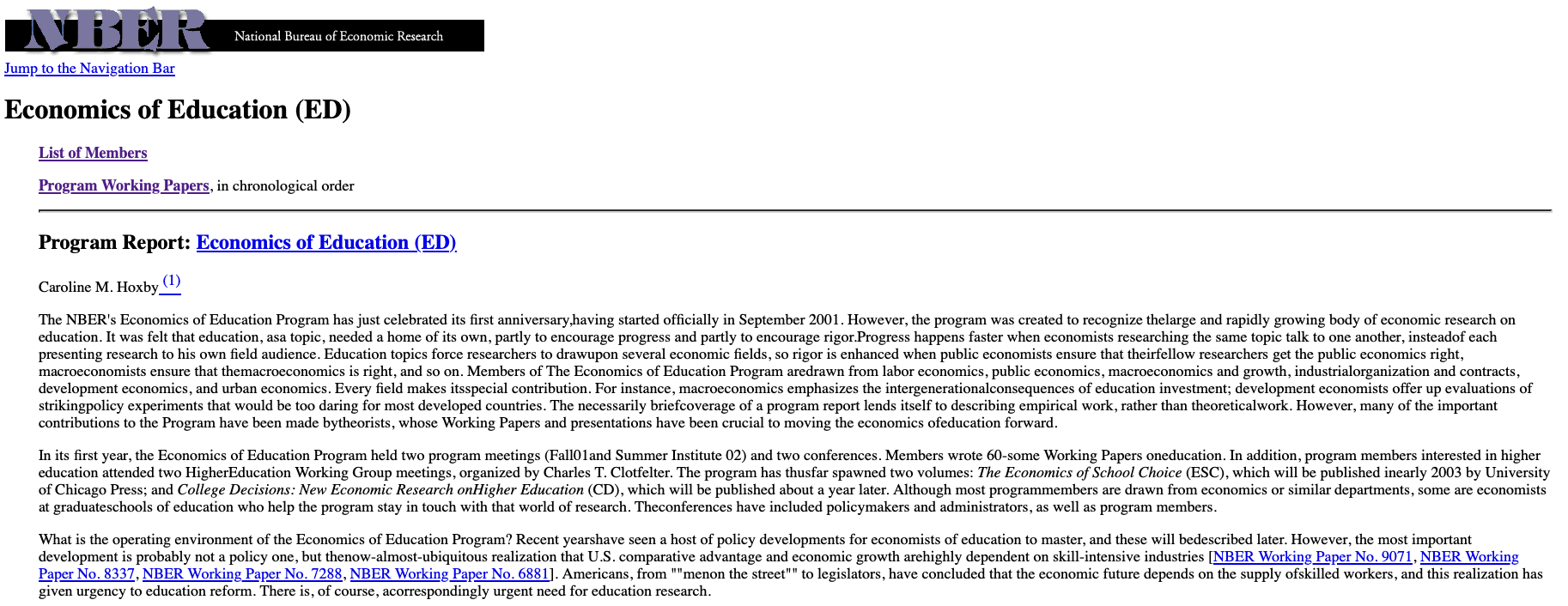
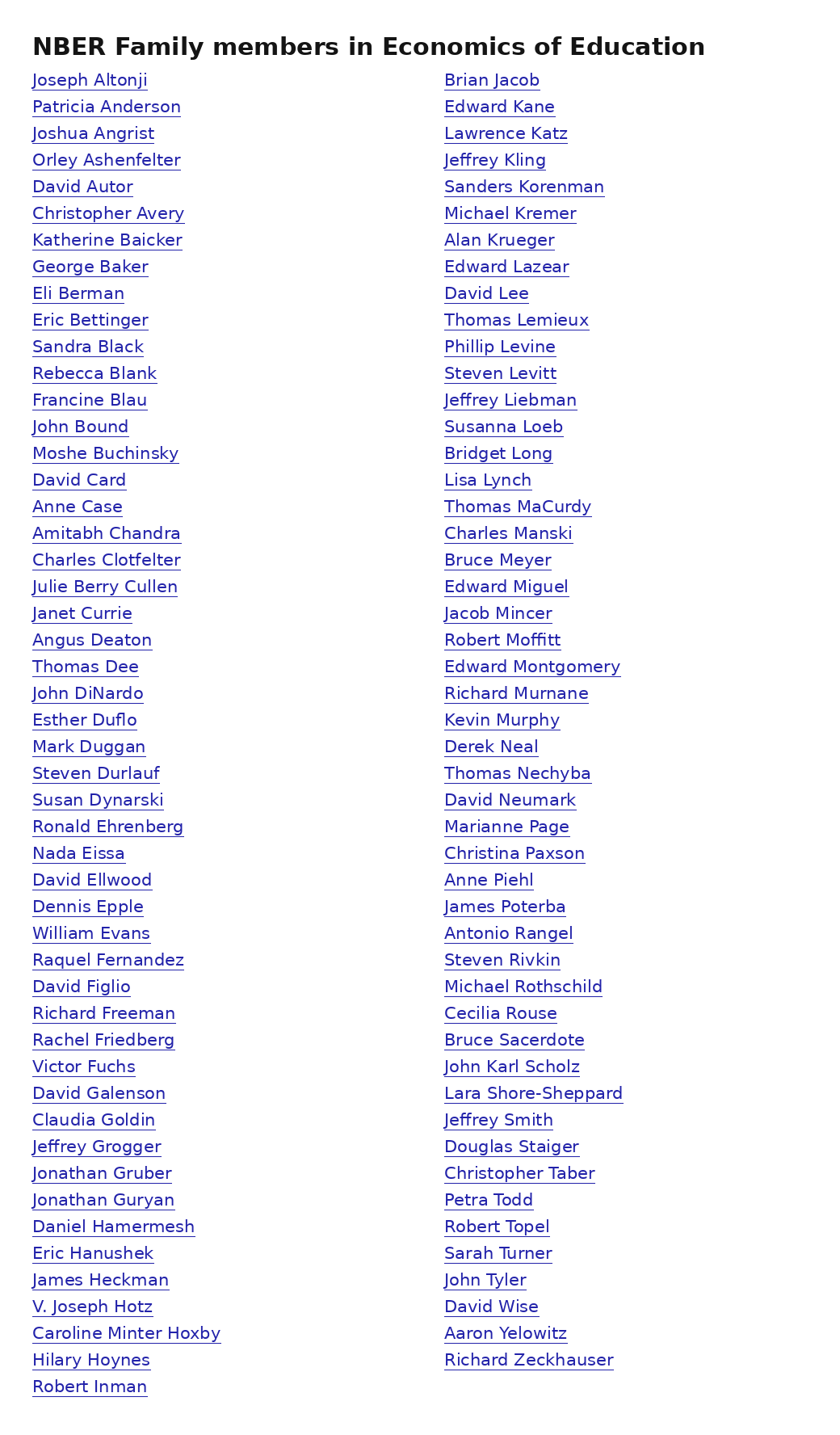
The National Bureau of Economic Research had no education program when I finished my PhD in 1999. I was in the founding cohort of NBER's Economics of Education program, led by Caroline Hoxby.
Course Syllabi
Archived syllabi; the links inside no longer work.
- 1994API 202, Empirical Analysis for PolicyHarvard Kennedy School · MPPMy first course in regression analysis, taken as a master's student and taught by Jim Stock.
- 2000HLE 227, Economics of EducationHarvard Kennedy School · MPP · PhDThe first course I taught.
- 2001API 202, Empirical Methods IIHarvard Kennedy School · MPPThe first methods class I taught, the same one I took in 1994, now with program evaluation edging in.
- 2005API 202, Empirical Methods IIHarvard Kennedy School · MPPContinued evolution: program evaluation moving toward the center.
- 2006Economics S-1824, The Economics of EducationHarvard Summer School, Venice · undergraduateMy only undergraduate course.
- 2010EDUC 820 / PUBPOL 820, Causal Inference in Education ResearchUniversity of Michigan · PhDMy first interdisciplinary methods course for PhD students.
- 2017Public Policy 712, Causal Inference in Education Policy Research I: Early Childhood through High SchoolUniversity of Michigan · MPP · PhDEarly childhood, K-12, class size, accountability, choice.
- 2019Public Policy 713, Causal Inference in Education Policy Research II: PostsecondaryUniversity of Michigan · MPP · PhDPostsecondary access, aid, debt, match, attainment, returns.
- 2020PUBPOL 639, Quantitative Methods for Program EvaluationUniversity of Michigan · MPPRegression and the tools of causal inference and program evaluation.
- 2024S582, Research Partnerships for Improving EducationHarvard Graduate School of Education · EdM · PhDBuilding research-practice partnerships: agreements, ethics and law, administrative data.
- 2024S598, Design and Analysis of Field Experiments in EducationHarvard Graduate School of Education · EdM · PhDRandomized field experiments, run with practitioners.
- 2025S803, Education Policy and Program Evaluation Core SeminarHarvard Graduate School of Education · PhDMy current doctoral seminar; theories and evidence on education policy.
- 2026RCTs in Education: Methods and FindingsAarhus University · PhDA short form of S598, for doctoral students in economics.